Top Trends in Interior Design for Modern Homes

In the ever-evolving world of interior design, staying updated with the latest trends is essential for homeowners looking to create a space that reflects their personality and lifestyle. As we step into a new era of design, several key trends are emerging that promise to redefine modern homes. From sustainable materials to bold colors, this blog post will explore the top trends in interior design that are shaping the way we live today.

Embracing Sustainability
Sustainability is no longer just a buzzword; it has become a fundamental principle in interior design. Homeowners are increasingly seeking eco-friendly materials and practices that minimize their environmental impact. Here are some ways sustainability is influencing modern interiors:
Recycled Materials: Designers are incorporating recycled materials into furniture and decor. For example, reclaimed wood is being used for flooring and furniture, adding character while reducing waste.
Energy Efficiency: Energy-efficient appliances and lighting are becoming standard in modern homes. Smart home technology allows homeowners to monitor and control energy usage, contributing to a more sustainable lifestyle.
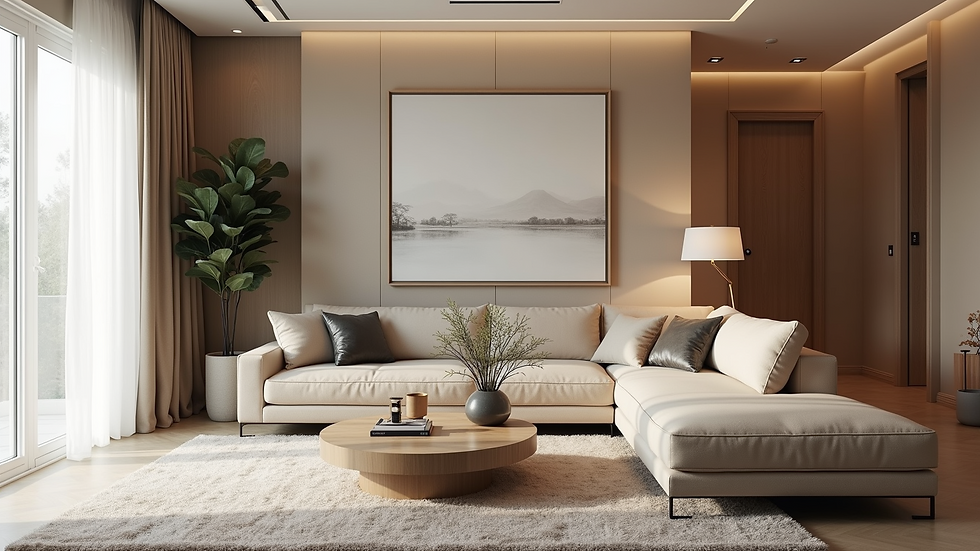
Indoor Plants: Biophilic design, which emphasizes the connection between nature and interior spaces, is gaining popularity. Incorporating indoor plants not only enhances aesthetics but also improves air quality.
Bold Colors and Patterns
Gone are the days of neutral palettes dominating interior spaces. Modern homeowners are embracing bold colors and patterns to create vibrant, dynamic environments. Here are some trends to consider:
Accent Walls: A single wall painted in a bold color or adorned with wallpaper can transform a room. Deep blues, rich greens, and warm terracotta are popular choices that add depth and personality.
Mixing Patterns: Layering different patterns, such as geometric prints and florals, can create a visually stimulating space. The key is to maintain a cohesive color scheme to tie the elements together.
Statement Furniture: Furniture pieces in striking colors or unique designs can serve as focal points in a room. Think of a bright yellow sofa or a coffee table with an artistic flair.
Minimalism with a Twist
While minimalism has been a dominant trend for years, modern minimalism is evolving to include more personality and warmth. Here’s how to achieve this balance:
Textured Layers: Incorporating various textures, such as soft textiles, natural wood, and metal accents, adds depth to minimalist spaces. A simple white room can feel inviting with the right mix of materials.
Personal Touches: Instead of a stark, impersonal look, modern minimalism encourages the inclusion of personal items. Family photos, travel souvenirs, and unique art pieces can make a minimalist space feel more lived-in.
Functional Decor: Items that serve a purpose while also being aesthetically pleasing are key. Think of stylish storage solutions that blend seamlessly with the decor.
Multifunctional Spaces
As homes become more compact, the need for multifunctional spaces is on the rise. Homeowners are looking for ways to maximize their living areas without sacrificing style. Here are some ideas:
Convertible Furniture: Furniture that can serve multiple purposes, such as a sofa bed or a coffee table that doubles as a desk, is increasingly popular. This allows for flexibility in how spaces are used.
Open Floor Plans: Open-concept living areas create a sense of spaciousness and encourage social interaction. Defining areas with rugs or furniture arrangements can help maintain functionality without closing off the space.
Zoning Techniques: Using different colors, textures, or furniture arrangements can help delineate areas within a multifunctional space. This approach allows for distinct zones for work, relaxation, and dining.
Smart Home Integration
Technology is playing a significant role in modern interior design. Smart home devices are not only functional but can also enhance the overall aesthetic of a space. Here’s how to integrate technology seamlessly:
Smart Lighting: Adjustable lighting systems can create different moods throughout the day. Homeowners can control brightness and color temperature through their smartphones, adding versatility to their spaces.
Integrated Sound Systems: Built-in speakers and sound systems can provide high-quality audio without cluttering the space with visible equipment. This creates a clean, modern look while enhancing the home entertainment experience.
Home Automation: Smart thermostats, security systems, and appliances can be controlled remotely, making life more convenient. These devices can be stylishly integrated into the home’s design, ensuring they complement rather than detract from the decor.
Vintage and Retro Influences
Nostalgia is a powerful design tool, and many homeowners are incorporating vintage and retro elements into their modern spaces. Here’s how to embrace this trend:
Thrifted Finds: Scouring thrift stores and flea markets for unique vintage pieces can add character to a home. A mid-century modern chair or a retro lamp can serve as a conversation starter.
Color Palettes: Retro color schemes, such as pastel hues or bold primary colors, can bring a playful vibe to modern interiors. Pairing these colors with contemporary furniture creates an interesting contrast.
Mixing Eras: Combining vintage pieces with modern decor can create a harmonious blend of old and new. For example, a vintage rug can add warmth to a sleek, contemporary living room.
Wellness-Centric Design
The focus on wellness is influencing how spaces are designed. Homeowners are seeking environments that promote mental and physical well-being. Here are some design elements that support wellness:
Natural Light: Maximizing natural light through large windows or skylights can enhance mood and energy levels. Light-filtering curtains can provide privacy while still allowing sunlight to enter.
Calming Colors: Soft, muted colors can create a serene atmosphere. Shades of blue, green, and earth tones are particularly effective in promoting relaxation.
Mindful Spaces: Creating areas dedicated to mindfulness practices, such as meditation or yoga, can enhance overall well-being. A quiet nook with comfortable seating and calming decor can serve as a retreat from daily stressors.
Conclusion
As we navigate the world of interior design, it’s clear that modern homes are evolving to reflect our values, lifestyles, and preferences. From sustainable practices to bold colors and multifunctional spaces, the trends shaping our interiors are diverse and exciting. By embracing these trends, homeowners can create spaces that are not only beautiful but also functional and reflective of their unique personalities.
Whether you’re planning a complete renovation or simply looking to refresh your space, consider incorporating these trends into your design. The key is to create a home that feels authentic and resonates with your lifestyle. Start exploring these trends today and transform your living space into a modern sanctuary that you love.

Comments